

Japan Vending Machine Industry Declines Amid Changing Retail Trends

leo zheng • 23 марта 2026 г.

Share this article

Japan’s Iconic Vending Machine Industry Faces Decline Amid Changing Retail Landscape

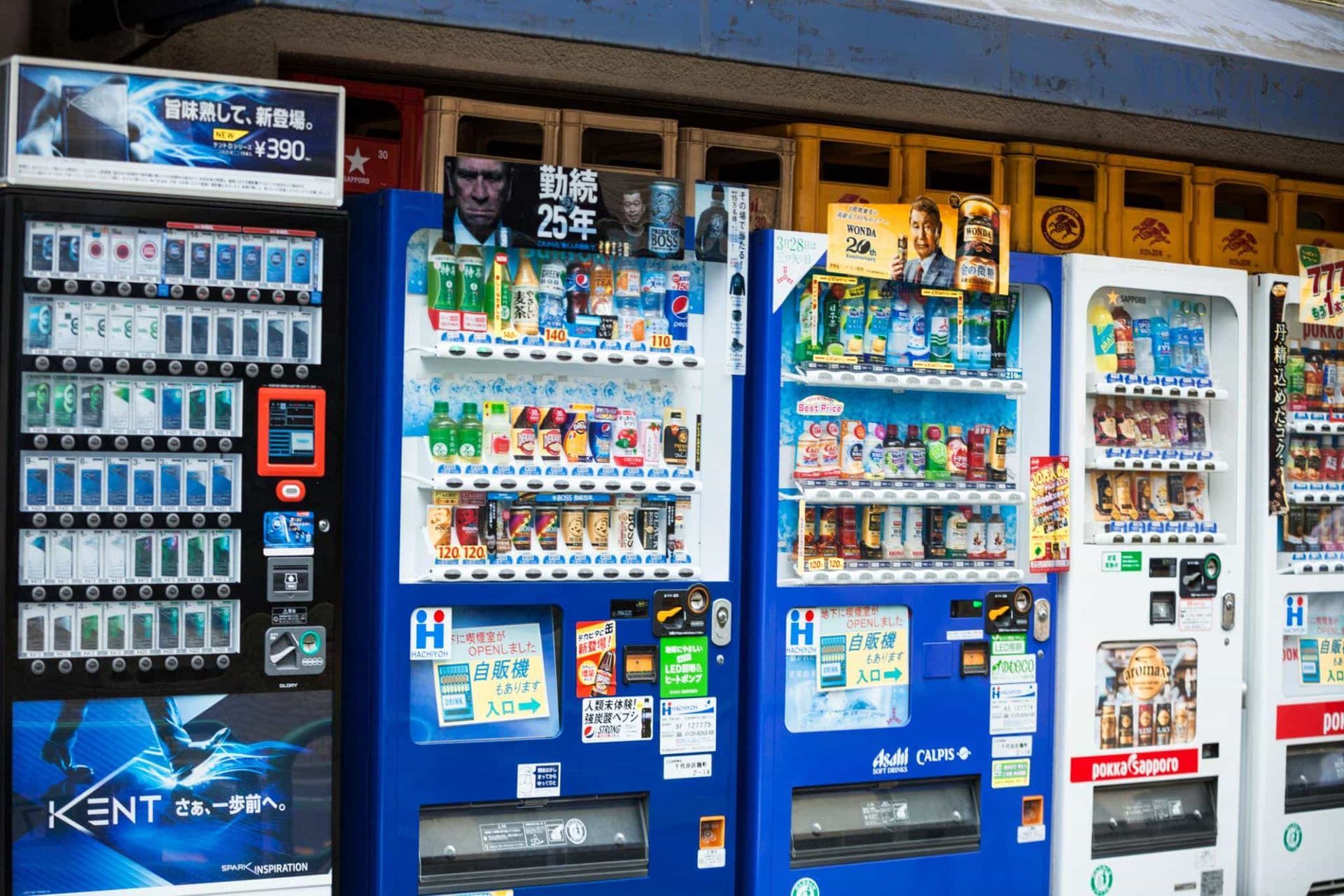
Japan, long known as the “vending machine capital of the world,” is experiencing a significant shift as the once-dominant vending machine industry faces a steady decline.

For decades, vending machines have been a symbol of convenience and efficiency across Japan, found everywhere from city streets to remote rural areas. However, recent developments suggest that this iconic retail format is under increasing pressure from changing consumer behaviour, rising costs, and evolving retail competition.

A Structural Decline in Vending Machines

Over the past two decades, the number of vending machines in Japan has dropped from approximately 5.6 million to 3.9 million, representing a decline of more than 30%. 

Major beverage companies are now reassessing their vending machine strategies, with some choosing to reduce machine numbers or exit parts of the business entirely.

Rising Costs and Operational Challenges

One of the key drivers behind the decline is the increasing cost of operations. Labour shortages, higher maintenance expenses, and rising energy prices have made it more difficult for operators to maintain profitability. 

In addition, vending machines require regular restocking and servicing, further increasing operational complexity compared to other retail formats.

Competition from Retail and Changing Consumer Behaviour

Traditional retail formats such as supermarkets, convenience stores, and drugstores are offering cheaper and more diverse product options, drawing consumers away from vending machines. 

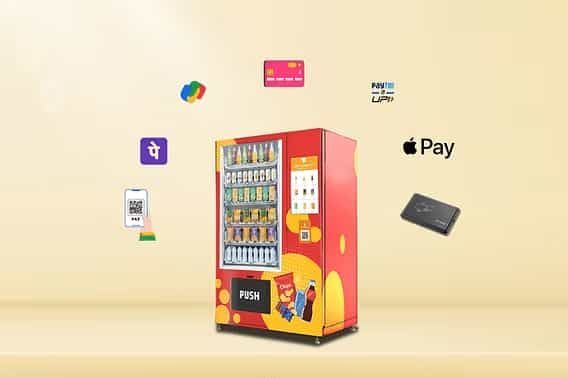
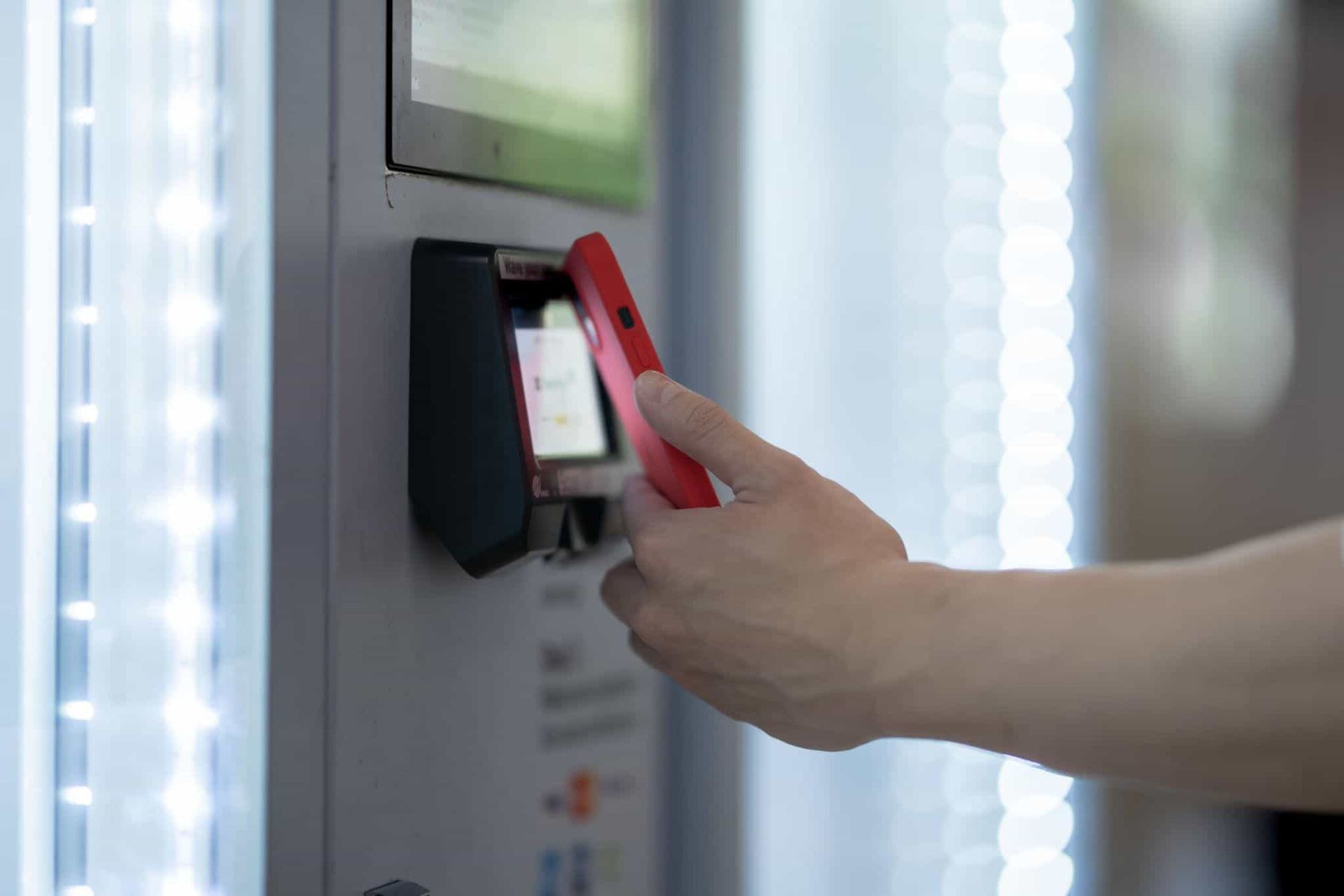
At the same time, consumers—especially younger generations—are increasingly favouring cashless and digital payment experiences, which many older vending machines struggle to support. 

Price sensitivity in an inflationary environment is also pushing customers toward more value-driven retail channels.

The Role of Digital and Cashless Trends

As cashless payments and digital retail experiences become the norm, older vending machines that lack these capabilities are increasingly at a disadvantage.This shift highlights the growing importance of technology integration in automated retail environments.

What This Means for the Future of Retail

Despite the decline, vending machines are unlikely to disappear entirely. Instead, the industry is expected to evolve, with opportunities emerging in:

  • Smart and cashless vending technologies
  • Food-based and fresh product vending solutions
  • Integration with digital retail ecosystems

The shift highlights a broader trend in retail: automation alone is no longer enough—experience, pricing, and convenience must align with modern consumer expectations.

As retail continues to evolve globally, Japan’s vending machine transformation offers valuable insights into how traditional automated retail formats must adapt to remain relevant.

Reference:The Japan Times

Recent Posts

People walking in a shopping mall with digital security surveillance overlays featuring blue glowing icons.
By leo zheng March 16, 2026
Bunnings is trialling facial recognition technology in New Zealand stores as it prepares for a possible Australia rollout to combat retail crime and improve staff safety.
A split screen showing a Kmart store entrance on the left and a wind and solar farm at sunset on the right.
By leo zheng March 13, 2026
Kmart Group has reached its 100% renewable electricity target across 448 stores, 10 distribution centers, and 12 offices, supporting its goal of net zero emissions by 2030.
Pixelated 7-Eleven store with Mount Fuji in the background. Cars parked in front.
By leo zheng March 11, 2026
Discover how 7-Eleven is leveraging Australia as a global retail testbed for its food-led convenience model, targeting 1,000 stores by 2030. Explore insights on fresh food, ready-to-eat meals, and the future of convenience retail, with these themes set to be explored at Retail Show Australia 2026, taking place 22-24 Se

Nvidia and Samsung logos side-by-side on a black background.
By leo zheng March 2, 2026
Samsung and NVIDIA’s AI factory partnership signals a shift toward AI-native retail, transforming supply chains, automation, digital twins and personalised customer experiences.
Woolworths supermarket with a Google chatbot overlay.
By leo zheng February 27, 2026
Woolworths partners with Google Cloud to pilot Gemini Enterprise, an AI-powered digital shopping agent that enhances customer experience with personalised support, real-time problem solving, and seamless end-to-end retail journeys.

Green retail store with solar panels and recycled products.
By leo zheng February 11, 2026
Discover how green retail is transforming Australian stores from marketing concept to core business strategy. Explore low-carbon operations, sustainable sourcing, and renewable energy innovation at Retail Show Australia.

EB Games store interior, heavily decorated with
By leo zheng February 5, 2026
EB Games’ store closures in New Zealand and Australia highlight major structural shifts in ANZ retail. Explore what this means for physical stores, market strategy, and retail growth in 2026 and beyond.

Signpost with flags for Australia and New Zealand, pointing in opposite directions against a blue sky.
By leo zheng January 28, 2026
An analysis of 2025 economic data from Australia and New Zealand, exploring consumer spending, household consumption and what it means for retailers in 2026.

Text
By leo zheng January 27, 2026
How Gamified Commerce is Reshaping Consumer Engagement

Woman with a plaid shirt argues with a cashier at a grocery store checkout counter; both appear frustrated.
By leo zheng January 23, 2026
Retail workers across Australia are facing rising customer abuse and violence

Show More