

Industry Insight: Emotional Branding Is Redefining Consumer Value

leo zheng • January 22, 2026

Share this article

Overview

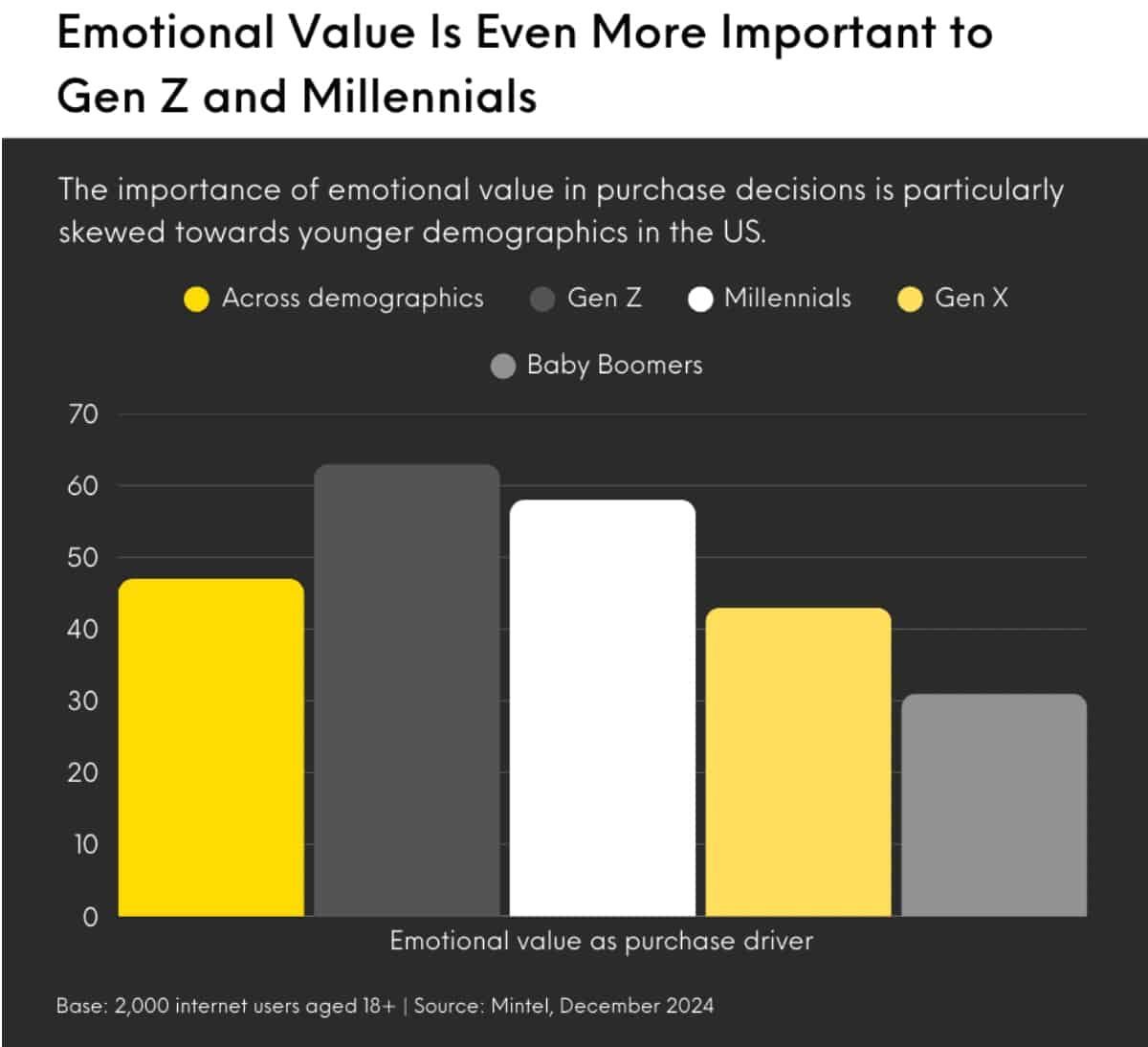
In today’s highly competitive retail and FMCG landscape, differentiation based solely on price and product features is no longer sufficient. As market choice expands and products become increasingly commoditised, consumers are placing greater importance on how brands align with their values, identities and lived experiences. This trend highlights a strategic shift toward emotional connection as a key driver of relevance and loyalty within the modern retail ecosystem.

Why Emotional Branding Matters

Traditional competitive levers such as price, promotions and product specifications remain important, but they are no longer the primary frames through which many consumers evaluate brands. Instead, emotional resonance — the degree to which a brand reflects personal values and lifestyle — increasingly shapes consumer decisions and long-term loyalty. Retailers and FMCG brands alike are recognising that the emotional dimension of the customer experience is no longer optional, but fundamental to differentiation in an experience‑driven market.

How Brands Are Building Emotional Connections

Across the sector, innovative brands are using narrative and design to cultivate deeper engagement. Examples include:

  • Immersive in‑store experiences that evoke familiarity, nostalgia or cultural relevance, helping physical retail environments connect with shoppers on a personal level.
  • Brand communities and value‑led positioning that transcend transactional incentives and focus instead on shared principles and identity.
  • Experience design elements such as cohesive visual identity, tone of voice and cross‑channel consistency that reinforce brand meaning at every touchpoint.

These approaches demonstrate how emotional engagement — from aesthetic cues to purposeful storytelling — shapes not just perception, but memory and preference.

The Importance of Authenticity

Emotional branding is only effective when it reflects genuine brand behaviour. Consumers are highly attuned to inconsistency; when messaging or value claims appear superficial or disconnected from lived brand experience, credibility and trust can be quickly eroded. Authentic emotional positioning requires that expressed values be demonstrable through actions, communication and customer experience.

Implications for Retail Strategy

As consumer expectations continue to evolve, the brands that achieve sustained differentiation are those that move beyond transaction‑centric models and embrace emotional relevance as part of core strategy. Emotional value — expressed through purposeful design, narrative and experience — is increasingly as influential as functional value in driving consumer choice, loyalty and long‑term growth.

Conclusion

The emergence of emotional connection as a strategic imperative reflects broader shifts in consumer behaviour and competitive dynamics. Retailers and brands that prioritise meaningful engagement over commoditised differentiation are better positioned to navigate complexity, cultivate loyalty and lead within the next era of retail evolution.

Recent Posts

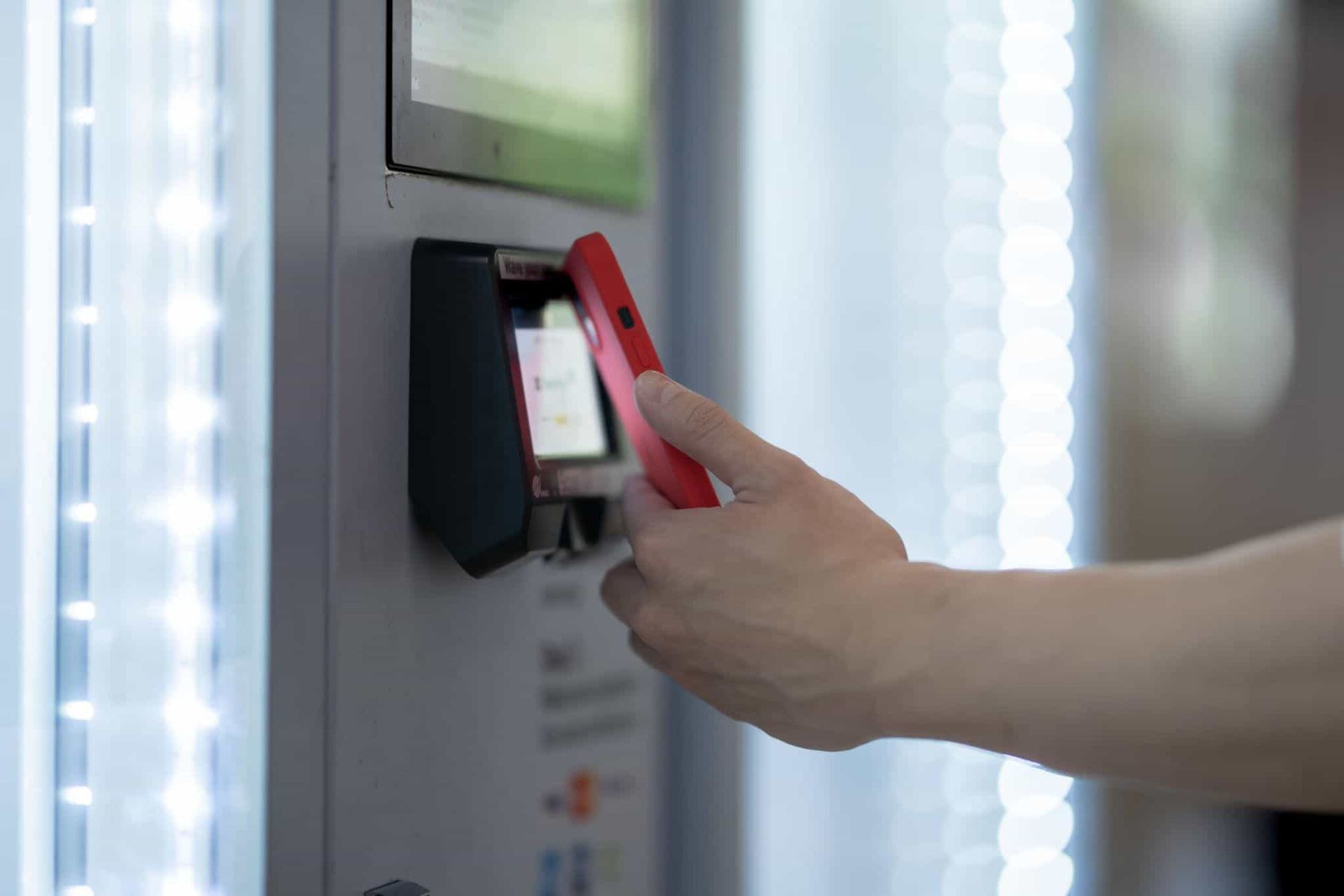
A hand holds a red smartphone up to a digital scanner on a kiosk to make a contactless payment.
By leo zheng March 23, 2026
Japan’s Iconic Vending Machine Industry Faces Decline Amid Changing Retail Landscape
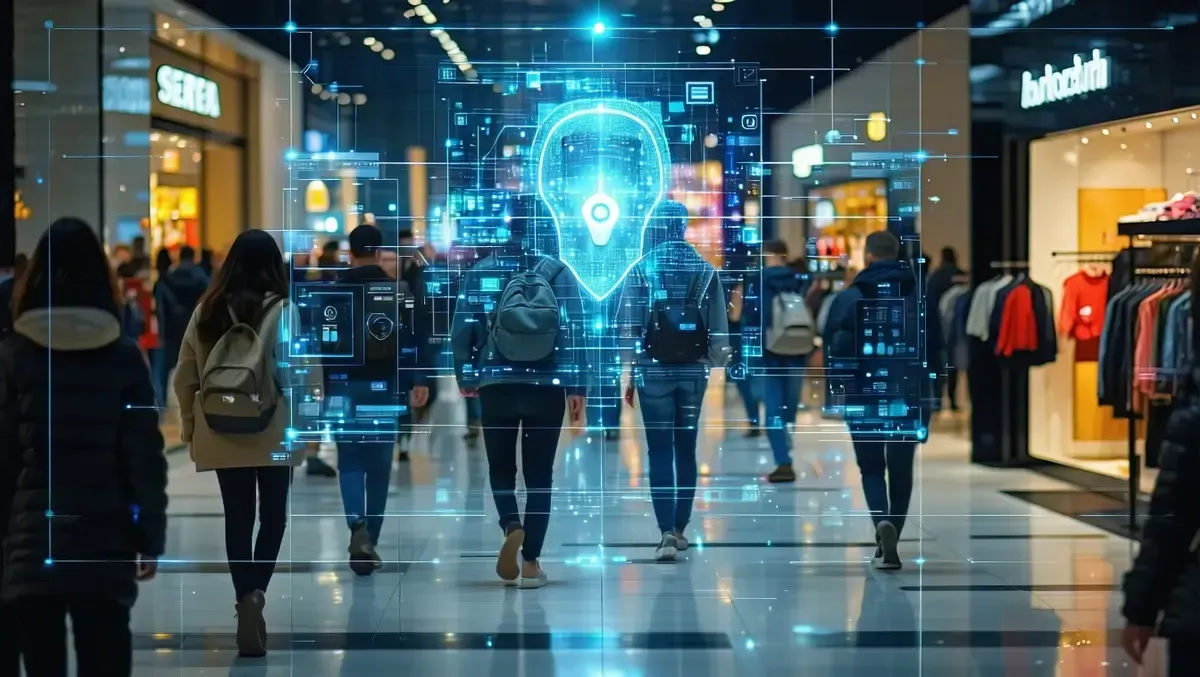
People walking in a shopping mall with digital security surveillance overlays featuring blue glowing icons.
By leo zheng March 16, 2026
Bunnings is trialling facial recognition technology in New Zealand stores as it prepares for a possible Australia rollout to combat retail crime and improve staff safety.
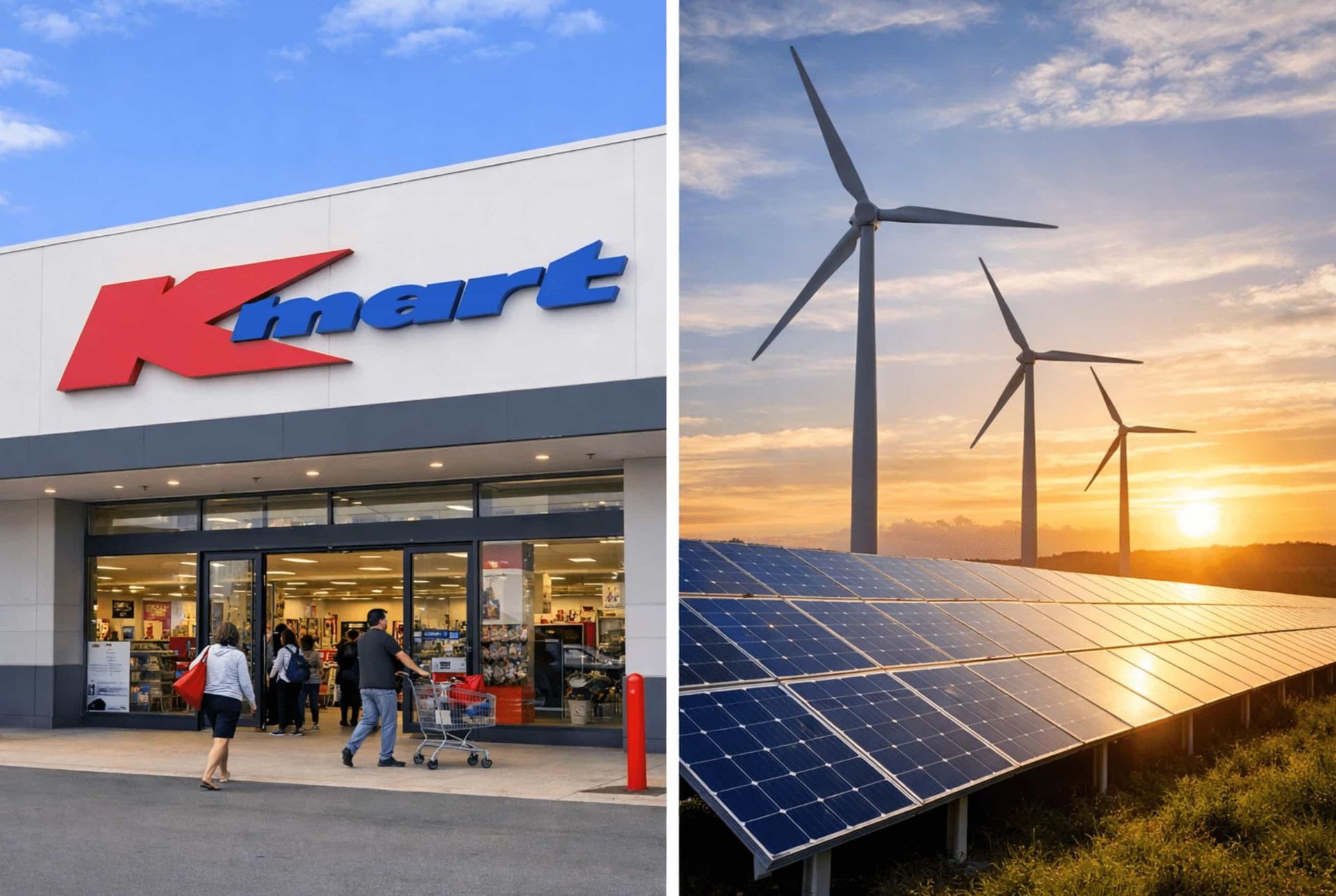
A split screen showing a Kmart store entrance on the left and a wind and solar farm at sunset on the right.
By leo zheng March 13, 2026
Kmart Group has reached its 100% renewable electricity target across 448 stores, 10 distribution centers, and 12 offices, supporting its goal of net zero emissions by 2030.
Pixelated 7-Eleven store with Mount Fuji in the background. Cars parked in front.
By leo zheng March 11, 2026
Discover how 7-Eleven is leveraging Australia as a global retail testbed for its food-led convenience model, targeting 1,000 stores by 2030. Explore insights on fresh food, ready-to-eat meals, and the future of convenience retail, with these themes set to be explored at Retail Show Australia 2026, taking place 22-24 Se

Nvidia and Samsung logos side-by-side on a black background.
By leo zheng March 2, 2026
Samsung and NVIDIA’s AI factory partnership signals a shift toward AI-native retail, transforming supply chains, automation, digital twins and personalised customer experiences.
Woolworths supermarket with a Google chatbot overlay.
By leo zheng February 27, 2026
Woolworths partners with Google Cloud to pilot Gemini Enterprise, an AI-powered digital shopping agent that enhances customer experience with personalised support, real-time problem solving, and seamless end-to-end retail journeys.
Green retail store with solar panels and recycled products.
By leo zheng February 11, 2026
Discover how green retail is transforming Australian stores from marketing concept to core business strategy. Explore low-carbon operations, sustainable sourcing, and renewable energy innovation at Retail Show Australia.
EB Games store interior, heavily decorated with
By leo zheng February 5, 2026
EB Games’ store closures in New Zealand and Australia highlight major structural shifts in ANZ retail. Explore what this means for physical stores, market strategy, and retail growth in 2026 and beyond.

Signpost with flags for Australia and New Zealand, pointing in opposite directions against a blue sky.
By leo zheng January 28, 2026
An analysis of 2025 economic data from Australia and New Zealand, exploring consumer spending, household consumption and what it means for retailers in 2026.

Text
By leo zheng January 27, 2026
How Gamified Commerce is Reshaping Consumer Engagement

Show More